
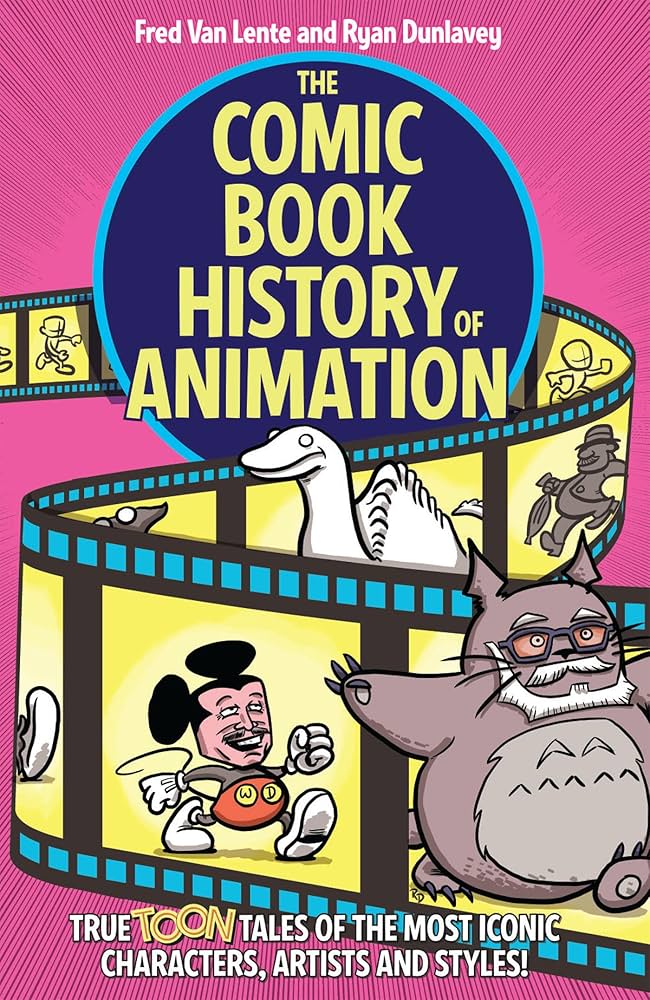
Beyond the Panel
Tracing the evolution from early comic strips to cinematic features, these stories explore how static panels first gained movement through early hand-drawn experiments. This journey highlights the revolutionary shift from traditional ink and paper to the dynamic, digital universes of today’s modern adaptations.
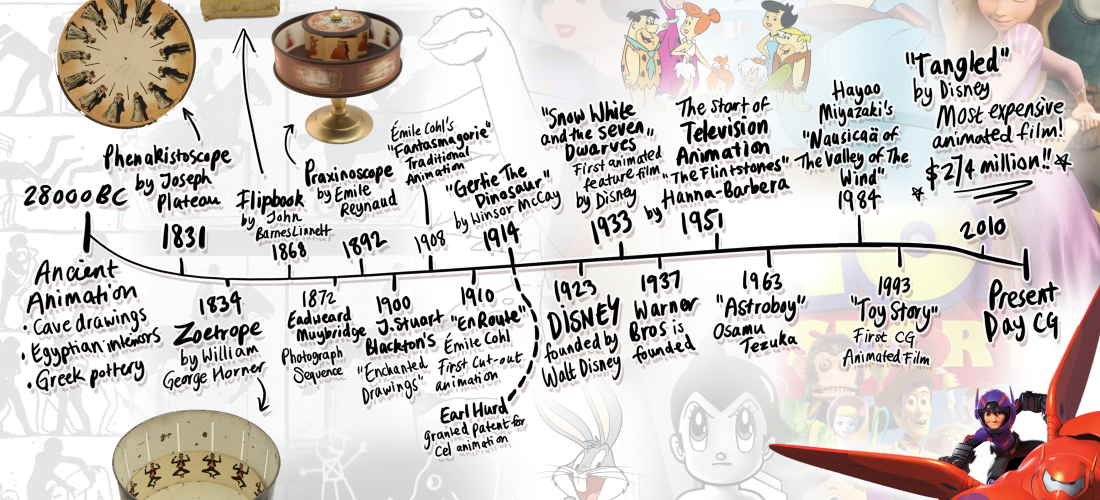
From Panels to Pixels
This timeline explores the dynamic evolution of characters as they transition from static newspaper strips to the fluid motion of modern cinema. It captures the technical journey from hand-colored frames to the groundbreaking digital techniques used to bring iconic comic book aesthetics to life.
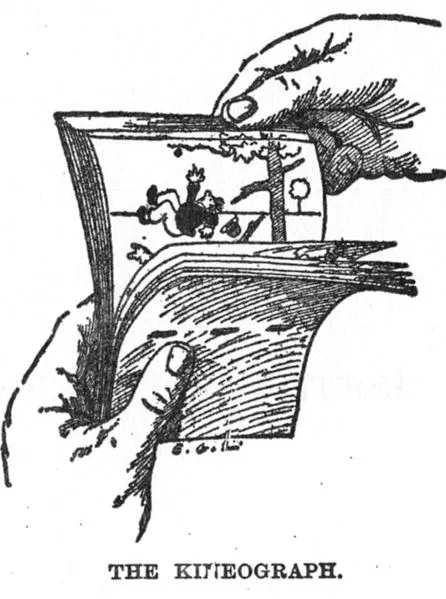
The Paper Projectionist
This timeline follows the evolution of handheld animation, tracing how simple stacked drawings evolved from 19th-century curiosities into the foundational logic of modern cinema. It celebrates the "persistence of vision" that allows a quick thumb-flick to transform a series of static sketches into a seamless, living story.
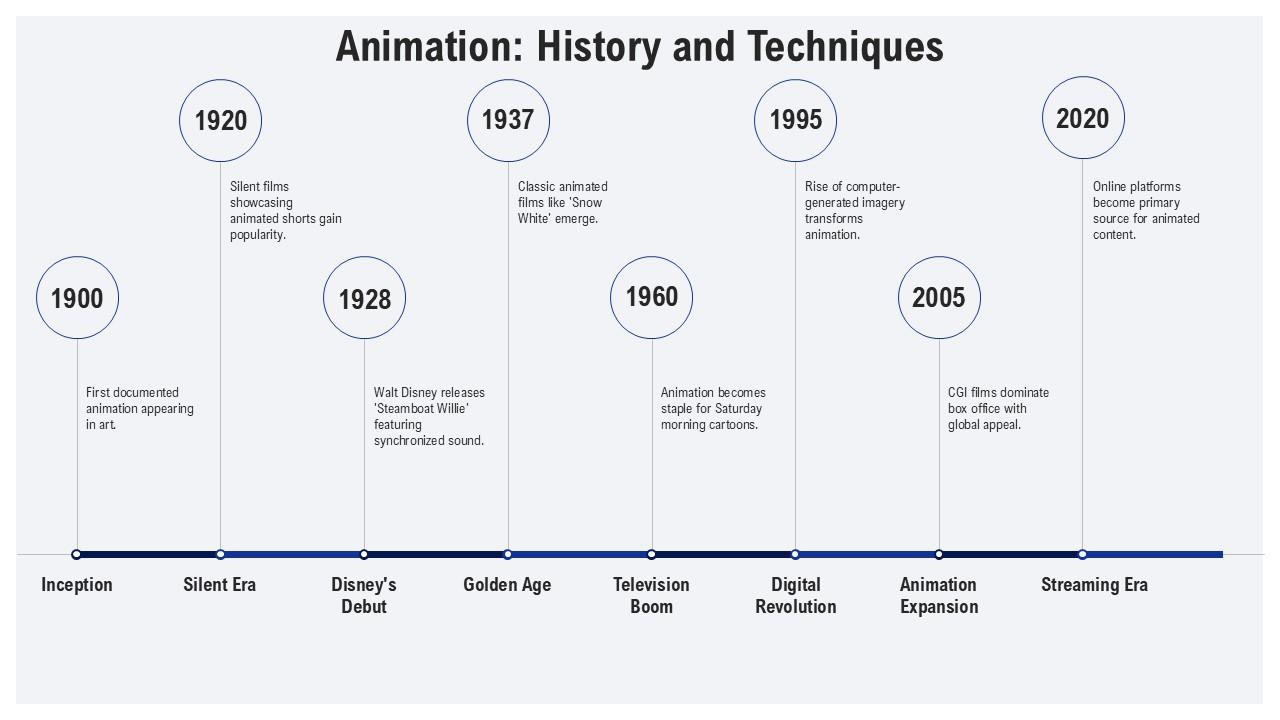
The Art of Motion
This overview explores the creative shift from labor-intensive, hand-drawn cel animation to the precision of modern computer-generated imagery. It highlights the innovative techniques like stop-motion and rotoscoping that bridged the gap between traditional artistry and the digital revolution.
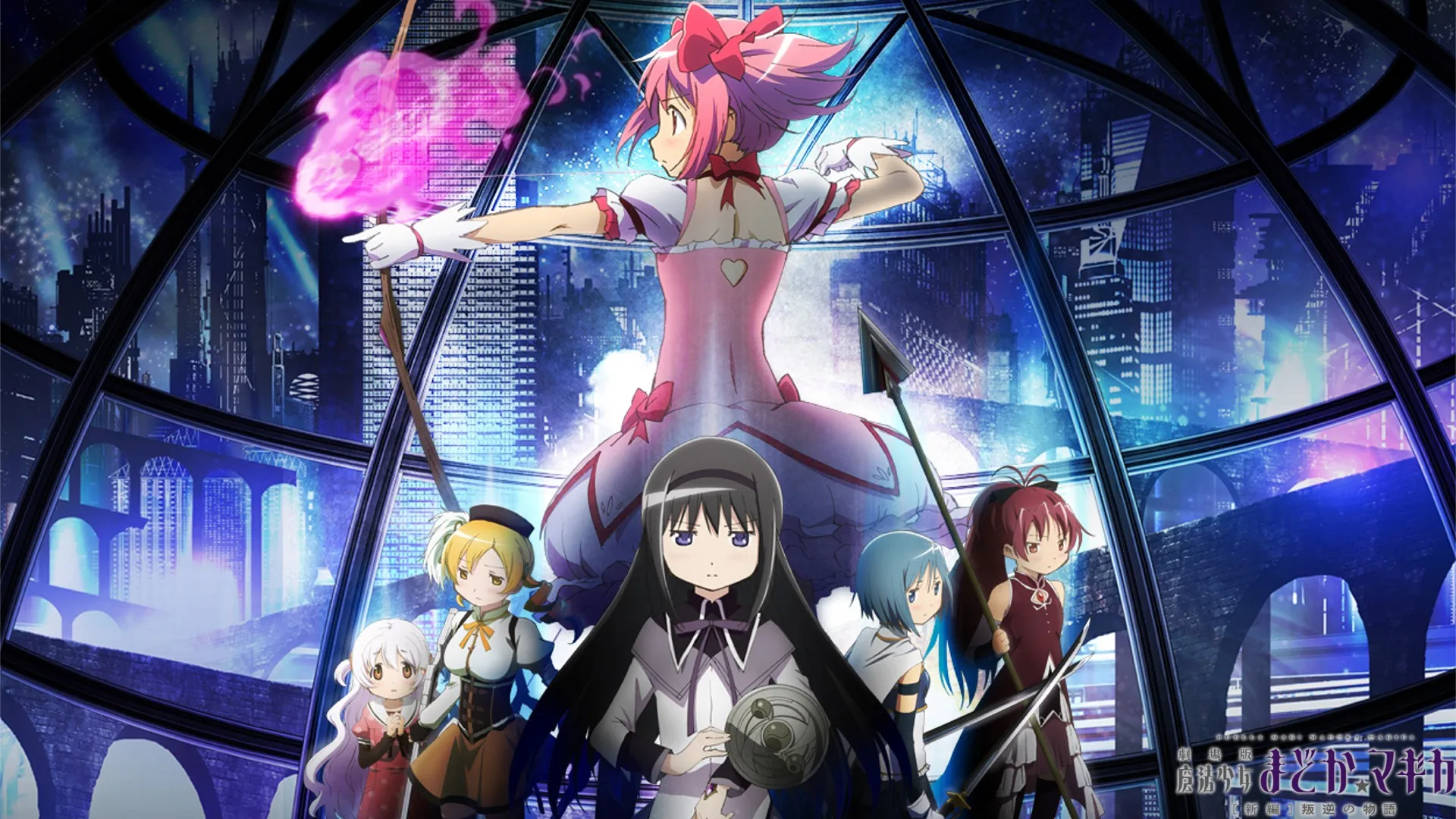
The Witch’s Labyrinth
This retrospective examines how the series revolutionized the magical girl genre by blending traditional character designs with avant-garde, collage-style animation techniques. It traces the influence of the "Gekidan Inu Curry" art collective, whose surreal visual layers transformed a standard aesthetic into a dark, immersive psychological landscape.
The Birth of the Illusion
This timeline explores the dawn of moving images, from 19th-century optical toys like the zoetrope to the first hand-drawn cinematic experiments. It captures the pivotal moment when pioneers transformed static sketches into "living" characters, laying the groundwork for the global industry to follow.